Happy Thanksgiving

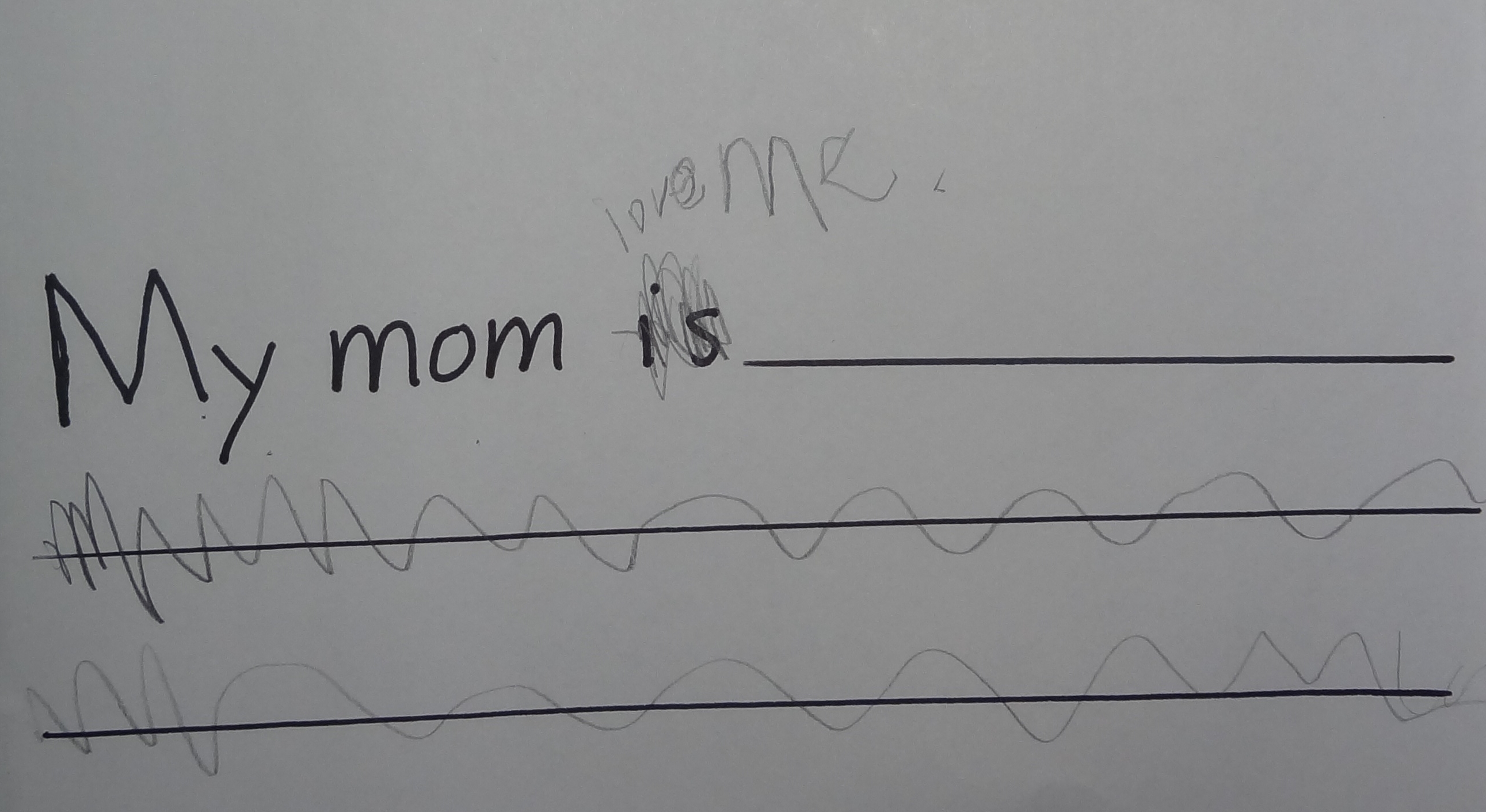
I’m thankful to be a mother because of my children. I love seeing their personalities emerge. I love seeing them discover new things and put together the pieces. I love helping them learn and grow. I love their hugs and kisses and the way their eyes light up when they see me.

Why are you thankful to be a mother?

Photo by Br Lawrence Lew, O.P.

If wanting ever taught you anything

How much of our time do we spend thinking about what it would take to make us happy? If we just had a little more money, if we just had more time off, if the kids would just go take a nap, if I could just accomplish this far-off goal . . .

Of course, I wouldn’t argue that we don’t need at least some of each of these things—but sometimes, as an OK Go song says, “If wanting ever taught you anything, it’s wanting more, (and more and more and more!)”

Agented author Natalie Whipple, whose blog I read, posted about this same phenomenon. On the one hand, she’s reached a major milestone in publishing—she’s gotten an agent. On the other hand, she has to still work on her writing and revisions and still has a long way to go to get published—and even then, the work will continue. She’s enjoying a modicum of success now, but it’s still so easy to fixate on what she wants out of the future (emphasis added).

But here’s the thing—my friends’ successes have not changed how they act or feel. Getting an agent didn’t transform them all into happy, perfect writers. Getting book deals didn’t stop them from worrying about the quality of their work. In fact, in some ways there is even more pressure to deliver perfection. . . .

Of course we’ve all had our low points and struggles—hard times are unavoidable. But it’s all about your attitude. If you aren’t happy now, getting an agent or book deal or whatever isn’t going to change that in the long run. You’ll just Want something else and withhold your happiness until you get that.

So for now, while I could always use a little more money, a little more free time, and a future goal to work toward, I think what I’m going to try to want most is to be content and grateful for what I have.

And that seems like an appropriate thing this week, don’t you think?

How do you focus on being happy with what you have instead of always wanting more?

Photo by James Jordan

A kind word

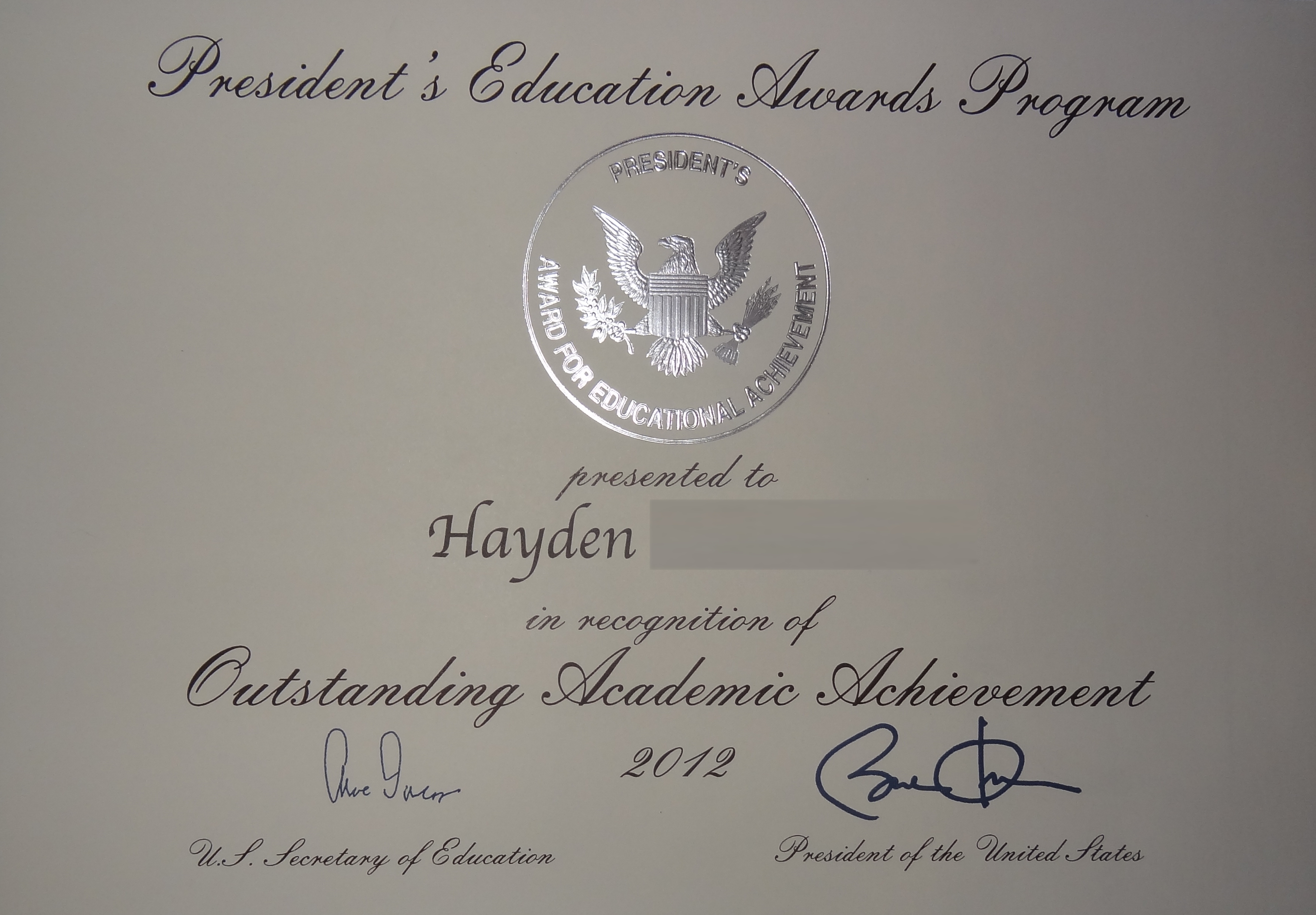
A couple weeks ago, I made it through another harried hour at church (though this time was much better, thanks to another family in our congregation and their son’s help in entertaining Hayden). It was probably the first time I was alone with the kids in public, as Ryan sits on the stand at the front of the congregation.

As I was gathering up the toys and the baby at the end of the hour, the young couple sitting behind me leaned over the pew.

“You are such a wonderful mother!” said the wife.

And as soon as she said that, tears began to sting my eyes. Her husband joined in her praise.

Believe me, I thanked them, and I’m still thanking them.

It’s amazing what a simple act of kindness like that can do for a mother—her sense of self-worth, her happiness and her fulfillment.

So this week, go out and give a kind word to another mother—in your neighborhood, at church, through email or in the blogosphere. Tell her she’s doing something right—and if you can’t think of anything, here are five things moms do right.

Who knows? Even if you don’t receive a similar gesture, it might just make you feel better about yourself as a mother!

How children can show appreciation

Today we’ll pick up where we left off with Elder M. Russell Ballard’s talk “Daughters of God,” about the eternal importance of motherhood. Last time, he talked about gaining appreciation for the work of motherhood and its eternal importance, finding success in motherhood, reducing pressure on ourselves and enjoying our families and receiving support from our husbands.

Today we’ll get to look at his thoughts on what children can do to show their support for their mothers. As he warned us, some of these answers are very obvious, but I’ll bet that most of our children could use the reminder. Plus, having this come from a source other than their mother is always nice reinforcement.

The third question: What can children, even young children, do? Now, you children, please listen to me because there are some simple things you can do to help your mother.

You can pick up your toys when you are finished playing with them, and when you get a little older, you can make your bed, help with the dishes, and do other chores—without being asked.

You can say thank you more often when you finish a nice meal, when a story is read to you at bedtime, or when clean clothes are put in your drawers.

Most of all, you can put your arms around your mother often and tell her you love her.

And that moment, especially when it comes unbidden and at a time when our children might not know that we need it, is one of the simple joys of motherhood.

Elder Ballard’s final question is what our church can do for mothers. I figure that most of my readers aren’t actually members of our church, but if you’re interested in his answer, feel free to read the conclusion of his talk, “Daughters of God.”

How can husbands support their wives

Today we’ll pick up where we left off with Elder M. Russell Ballard’s talk “Daughters of God,” about the eternal importance of motherhood. Last time, he talked about gaining appreciation for the work of motherhood and its eternal importance, finding success in motherhood and reducing pressure on ourselves and enjoying our families.

Today we’ll look at what husbands can do to better support their wives. Sadly, these answers are not as extensive as the answers to the previous question, but they’re still invaluable.

The second question: What more can a husband do to support his wife, the mother of their children?

I know you’re all looking forward to these answers perhaps even moreso than you did the answers to his last question. (And you’re probably thinking, Couldn’t you have done this before Mother’s Day?)

First, show extra appreciation and give more validation for what your wife does every day. Notice things and say thank you—often. Schedule some evenings together, just the two of you.

Date night! Date night! And no, watching television together after the kids go to bed doesn’t count.

Second, have a regular time to talk with your wife about each child’s needs and what you can do to help.

This shows us that you notice things happening in our family and specifically the problems and needs each of our children have. It shows us that we’re not the only ones who see and care about our children. It shows us that you take your role as a father, an equal partner in raising our children, seriously. We like it ;) .

Third, give your wife a “day away” now and then. Just take over the household and give your wife a break from her daily responsibilities. Taking over for a while will greatly enhance your appreciation of what your wife does. You may do a lot of lifting, twisting, and bending!

Couldn’t say it better!

Fourth, come home from work and take an active role with your family. Don’t put work, friends, or sports ahead of listening to, playing with, and teaching your children.

I remember an old column by advice columnist Carolyn Hax where, essentially, a man wrote in asking how to help his wife or girlfriend understand why he needed to go to a bar after work for a couple hours to decompress or escape before coming home. Naturally, his SO felt neglected and like he was trying to escape from their family. Carolyn basically asked him what was so terrible at home that he couldn’t stand to go there straight after work (and this underlying issue was what really needed to be addressed). This is how it can make us feel if you consistently put these other activities ahead of us.

This doesn’t mean that you can’t have a job, friends or other interests. But it does mean your family deserves at least the same amount of demonstrated attention and devotion that your other interests receive.

Doing these four things really isn’t asking much of husbands (I think). But they can mean a lot to us as wives and mothers. Any other suggestions?

Next time: What can our kids do?

Feel less pressure, enjoy your family more

Today we’ll pick up where we left off with Elder M. Russell Ballard’s talk “Daughters of God,” about the eternal importance of motherhood. Last time, he talked about gaining appreciation for the work of motherhood and its eternal importance and finding success in motherhood. Today, we’ll look at his thoughts on reducing pressure on ourselves and enjoying our families. We’ll overlap just a little with yesterday’s thoughts:

As a Church, we have enormous respect and gratitude to you mothers of young children. We want you to be happy and successful in your families and to have the validation and support you need and deserve. So today, let me ask and briefly answer four questions. While my answers may seem extremely simple, if the simple things are being tended to, a mother’s life can be most rewarding.

I’m very encouraged by the thought he ends with in this paragraph. So often when I think, talk and blog about fulfillment in motherhood, it seems like such a large, daunting, nebulous concept that I may not ever find it myself, let alone find myself adequate to help others.

But if we focus on the simple things, make sure we have a few basics, how much better and easier might our lives be? Let’s take a look at the first of his basic questions, which has several answers of its own:

The first question: What can you do, as a young mother, to reduce the pressure and enjoy your family more?

First, recognize that the joy of motherhood comes in moments. There will be hard times and frustrating times. But amid the challenges, there are shining moments of joy and satisfaction.

We talked about this a bit last time, when we recognized that motherhood isn’t easy—but that those little moments really do stand out and can make such a difference in a day.

Author Anna Quindlen reminds us not to rush past the fleeting moments. She said: “The biggest mistake I made [as a parent] is the one that most of us make. . . . I did not live in the moment enough. This is particularly clear now that the moment is gone, captured only in photographs. There is one picture of [my three children] sitting in the grass on a quilt in the shadow of the swing set on a summer day, ages six, four, and one. And I wish I could remember what we ate, and what we talked about, and how they sounded, and how they looked when they slept that night. I wish I had not been in such a hurry to get on to the next thing: dinner, bath, book, bed. I wish I had treasured the doing a little more and the getting it done a little less” (Loud and Clear [2004], 10–11).

I’ve talked about this several times, probably best for another GWP entry, Motherhood isn’t, where I concluded: “Motherhood is not, at its heart, about doing. Motherhood is about being. Because motherhood isn’t just something you do; it’s who you are.” Apparently, I’m in good company!

Second, don’t overschedule yourselves or your children. We live in a world that is filled with options. If we are not careful, we will find every minute jammed with social events, classes, exercise time, book clubs, scrapbooking, Church callings, music, sports, the Internet, and our favorite TV shows. One mother told me of a time that her children had 29 scheduled commitments every week: music lessons, Scouts, dance, Little League, day camps, soccer, art, and so forth. She felt like a taxi driver. Finally, she called a family meeting and announced, “Something has to go; we have no time to ourselves and no time for each other.” Families need unstructured time when relationships can deepen and real parenting can take place. Take time to listen, to laugh, and to play together.

One of these opportunities for unstructured (or semistructured) time together is a program we have in the church called Family Home Evening. Monday nights, families gather for a lesson and activities. (We’re not the best at doing this.)

Another wonderful opportunity for this time together is meal time. If you don’t eat together at least once or twice a week, I’d recommend taking a look at your schedules like the mom Elder Ballard mentions. Growing up, my family had a set time for dinner and just about every night of the week, all four daughters and both parents were there (and at various times we had Girl Scouts, dance, church youth group, church children’s group, soccer, piano lessons, violin lessons, orchestra . . . you get the idea).

Why is this time so great? If you can’t cook, don’t worry—it’s not about the food. It’s about spending time with one another, finding out what’s going on in one another’s lives, showing interest, support and love for one another.

If conversation doesn’t come easily, I suggest one of my family’s institutions (which I think began when we were sullen teenagers ;) . We went around the table and each person in the family shared one good thing that had happened to them that day. If absolutely nothing good happened, they could share one bad thing.

(In our family, these things were answered with specific, set cheers from the rest of the family: “Good for you!”, “Ha ha ha ha, ha ha ha ha, oh boy, oh boy”, “Better than crackers”, and a cheerleading-style clap-clap-number 1! Totally awesome things got all four in succession.)

Anyway.

Third, even as you try to cut out the extra commitments, sisters, find some time for yourself to cultivate your gifts and interests. Pick one or two things that you would like to learn or do that will enrich your life, and make time for them. Water cannot be drawn from an empty well, and if you are not setting aside a little time for what replenishes you, you will have less and less to give to others, even to your children. Avoid any kind of substance abuse, mistakenly thinking that it will help you accomplish more. And don’t allow yourself to be caught up in the time-wasting, mind-numbing things like television soap operas or surfing the Internet. Turn to the Lord in faith, and you will know what to do and how to do it.

Oh. Crap. Surfing the Internet. Tell me reading and commenting on MamaBlogga (and me commenting on your blogs!) replenishes your well. Please? (But SOOO guilty on that count!)

Fourth, pray, study, and teach the gospel. Pray deeply about your children and about your role as a mother. Parents can offer a unique and wonderful kind of prayer because they are praying to the Eternal Parent of us all. There is great power in a prayer that essentially says, “We are steward-parents over Thy children, Father; please help us to raise them as Thou wouldst want them raised.”

Another strength that I find in religious devotion is some of the doctrines that we’ve already talked about in this series: that motherhood is a vital part of God’s eternal plan for our happiness.

Next time: What can a husband do to support his wife, the mother of his children? (Now I know you’re waiting with bated breath!)

Subscribe to Get MamaBlogga Updates

Join 300+ MamaBlogga readers 
Receive updates via RSS (What's RSS?)
OR
Get e-mail updates